

Germany is famous for its tuition-free public education.
The answer lies in employability, speed, and language.
If you are looking for a specialized degree—especially in Business, Data Science, or Management—a private institution might be your fastest route to a German career. This guide will help you choose the right one and avoid the “degree mills.
1. Public vs. Private: What Are You Paying For?
Understanding the difference is key to making the right investment
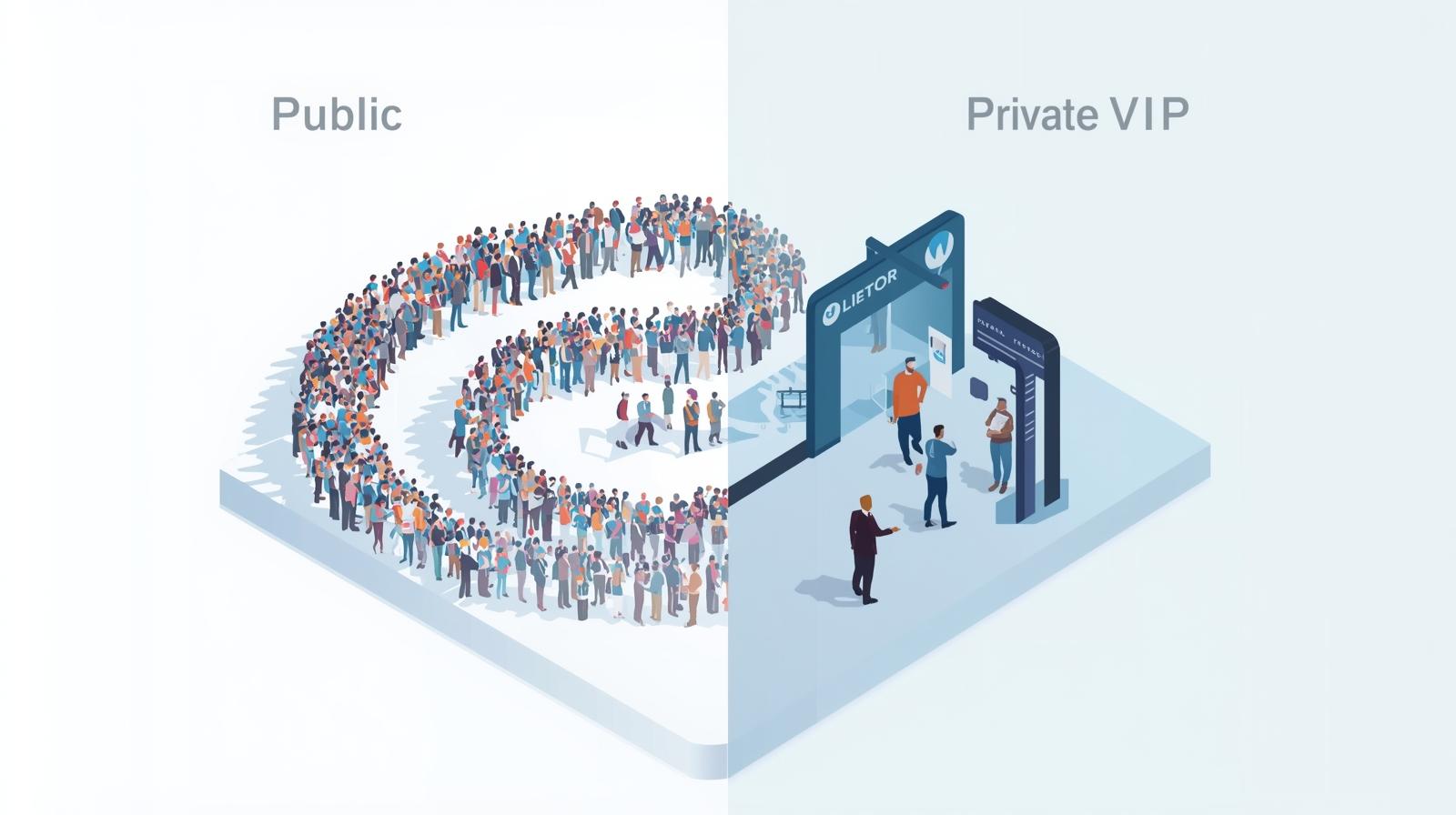
| Feature | Public Universities | Private Universities |
| Tuition Fees | €0 – €3,000 / year | €10,000 – €20,000 / year |
| Class Size | Huge (100-500 students) | Small (15-30 students) |
| Language | Mostly German (especially Bachelors) | 100% English Options Available |
| Intake | Strict (Winter/Summer) | Flexible (Rolling Intakes) |
| Career Support | Minimal (Do it yourself) | Intensive (Career Centers & Internships) |
The Verdict: Choose Public for research and theory. Choose Private if you want a practical, job-ready degree and don’t want to spend 1 year learning German first.
2. The Golden Rule: “Staatlich Anerkannt” (Accreditation)
WARNING: Not all private schools are equal.
Before you pay a single Euro, you must check one thing: Is the university “Staatlich anerkannt” (State-Recognized)?
If a university is state-recognized, its degrees are legally equivalent to those from public universities. This means:
-
You are eligible for the 18-Month Job Seeker Visa after graduation
-
You can apply for Permanent Residence (PR) later.
-
Your degree is recognized globally
How to check? Look for accreditation from the German Council of Science and Humanities (Wissenschaftsrat).
Did you know?
While public universities are famous for being free, private universities in Germany have seen a 50% rise in international students in the last decade. Why? Because they offer something public universities often cannot: English-taught Bachelor’s programs and direct career support.
3. Best Fields to Study at Private Unis
Private universities excel in fields where industry connections matter more than theoretical research
-
Business & MBA: Schools like Gisma University, University Of Europe, or BSBI are ranked among the best in Europe.
-
Tech & Data: Applied Sciences universities often have partnerships with companies like Siemens, SAP, or Tesla, offering guaranteed internships.
-
Creative Arts: Film, Media, and Design schools offer equipment and studios that public unis rarely provide.
4. ROI: Is It Worth the Cost?
Studying private is an investment.
-
Time Saved: You can often start immediately in English, saving you 12 months of German language school (which also costs living expenses!).
-
Graduation Rate: Public universities have high dropout rates because no one pushes you. Private universities have mentors to ensure you graduate on time.
-
Networking: You are often paying for the network. Private unis frequently host recruitment drives where companies come specifically to hire students.


Related Articles
Stay Up to Date With The Latest News & Updates
Contact Us Today!
Start your study abroad journey today! Special descounts for student
Join Our Newsletter
Stay up to date with the latest news in the immigration
Follow Us
Sed ut perspiciatis unde omnis iste natus error sit voluptatem accusantium doloremque