
Your Germany student packing list starts here
Germany is one of the most popular study destinations for Indian students, and it’s also one of the most different to live in. Shops close on Sundays, rubbish is sorted into several bins, cycling is everywhere, and paperwork matters a lot.
This Germany student packing list focuses on what’s specific to life there. Germany uses Type C/F plugs and 230V power, the same voltage as India. Your Indian appliances will work, but you’ll need a plug adapter.
For the general basics, like luggage, winter wear, a universal adapter and a pressure cooker, see our 25 things to buy before you fly. For room setup, see our first month abroad checklist. Everything below is Germany-specific.
Documents to carry to Germany
Germany runs on paperwork. Keep originals in your cabin bag and carry two sets of photocopies.
- Passport with your German student visa
- University admission letter (Zulassungsbescheid)
- Blocked account (Sperrkonto) confirmation
- Health insurance confirmation
- APS certificate
- Academic originals: degree certificates, marksheets and transcripts
- Language certificates (IELTS, TOEFL or German test results)
- Rental contract (Mietvertrag) and landlord’s confirmation (Wohnungsgeberbestätigung) for your address registration
- Biometric passport photos (35 x 45 mm), at least 6
- Birth certificate, ideally with an apostille
- Vaccination record and any prescriptions, with the generic medicine names
Tip: you must register your address (Anmeldung) at the local citizens’ office, usually within two weeks of moving in. Book the appointment as early as you can, as slots fill up fast in big cities.
Learning German
Even in an English-taught programme, daily life happens in German: landlords, supermarkets, doctors and part-time jobs. Basic German makes everything easier.
1. German A1 course book
Start with a structured A1 course book like Netzwerk neu, Menschen or Schritte International. They’re much cheaper in India, and you can keep studying on the flight and in your first weeks.
2. German-English pocket dictionary
Useful for reading letters from the authorities, product labels and your rental contract. A Langenscheidt pocket dictionary is a trusted classic.
Everyday life in Germany
3. Coin purse
Cash is still common in Germany, and €1 and €2 coins pile up fast. You’ll also need coins for lockers, shopping trolleys and some laundry machines. A small coin purse stops them from filling every pocket.
4. Waste-sorting bins
Germans separate rubbish into paper, packaging, organic waste, glass and general waste. Flatmates and landlords take this seriously. A compact multi-compartment bin makes sorting easy in a small kitchen.
5. Digital hygrometer
Mould is a common problem in German flats in winter, and tenants are expected to prevent it by airing rooms (Lüften). A small hygrometer shows room humidity, so you know when to open the windows.
6. Moisture absorber boxes
Place them in wardrobes and damp corners to pull moisture out of the air. They help protect your clothes and shoes from mould and musty smells.
7. Sunrise alarm clock
In a German winter, it can still be dark at 8 am. A sunrise alarm clock gradually brightens your room before the alarm, making dark mornings easier. Most models run on USB or 230V, so they work in Germany with an adapter.
Cycling in Germany
Bikes are the cheapest way to get around most German university towns. Many students buy a second-hand bike in their first week.
8. Bicycle helmet
Helmets aren’t legally required for adults in Germany, but they’re strongly recommended, especially while you’re getting used to new traffic rules. They’re usually much cheaper in India.
9. Rechargeable bike light set
German law requires working front and rear lights when cycling in the dark, and police do issue fines. A USB-rechargeable front and rear light set keeps you safe and legal. Look for lights marked with the German “StVZO” approval if possible.
Kitchen and a taste of home
Because Germany uses the same 230V as India, Indian kitchen appliances work there with a plug adapter. For high-power items like a kettle, use a sturdy adapter rated for at least 10A.
10. Electric kettle
Tea, instant noodles, oats and hot water bottles all start with a kettle. Shared kitchens don’t always have one, and they cost more in Germany.
11. Mini electric rice cooker
Perfect rice, khichdi or pulao with no watching over the stove. A small 1-litre rice cooker suits one or two people and works while you study.
12. Ready-to-eat Indian meals
Your first few days are busy, and shops are closed on Sundays. A few ready-to-eat vegetarian meals, like rajma chawal or dal, save you on tired first nights. Choose plain vegetarian options: the EU doesn’t allow travellers to bring in meat or dairy products from India.
13. Indian tea and chai masala
German supermarkets sell tea, but rarely strong Assam CTC for proper chai. Carry a pack of your favourite tea and chai masala for the taste of home on cold evenings.
What not to pack for Germany
- Meat and dairy products. Ghee, paneer, milk powder and meat-based foods from India aren’t allowed into the EU for personal use.
- Large quantities of medicines. Carry only what you need, in original packaging, with a prescription. Some medicines need extra paperwork, so check before you fly.
- Heavy bedding. Duvets and pillows are bulky and easy to buy cheaply in Germany.
- Too many clothes. Germany has affordable basics, and you’ll want space for things you buy there.
Quick packing checklist
|
Category |
Items |
|---|---|
|
Learning German |
A1 course book, pocket dictionary |
|
Everyday life |
Coin purse, waste-sorting bins, hygrometer, moisture absorbers, sunrise alarm clock |
|
Cycling |
Bicycle helmet, rechargeable bike lights |
|
Kitchen and home food |
Electric kettle, mini rice cooker, ready-to-eat meals, tea and chai masala |
Frequently asked questions
Do Indian appliances work in Germany? Yes. Germany uses 230V, the same as India, so Indian appliances work there. You only need a Type C/F plug adapter, because Indian plugs don’t fit German sockets.
Can I carry Indian food to Germany? Packed vegetarian foods like spices, tea, lentils and ready-to-eat veg meals are generally fine in personal quantities. Meat and dairy products are not allowed. Declare food at customs if you’re unsure.
What documents do I need after arriving in Germany? You’ll need your passport, visa, admission letter, rental documents, and health insurance and blocked account proof. You’ll use these for your address registration (Anmeldung), bank account and residence permit.
Do I need to speak German to live in Germany as a student? You can study in English, but basic German makes daily life, part-time jobs and paperwork much easier. Start with A1 before you fly.
Ready for Germany?
Packing for Germany is about more than clothes. The right documents, a little German, and a few Germany-specific items make your first weeks far smoother.
Planning to study in Germany? Book a free counselling session with our team for honest guidance on universities, APS, your blocked account and your German student visa.
Disclosure: This post contains affiliate links. If you buy through them, we may earn a small commission from Amazon at no extra cost to you. We only recommend products we think are useful for students.
Need Help In Applying To You Dream Country?
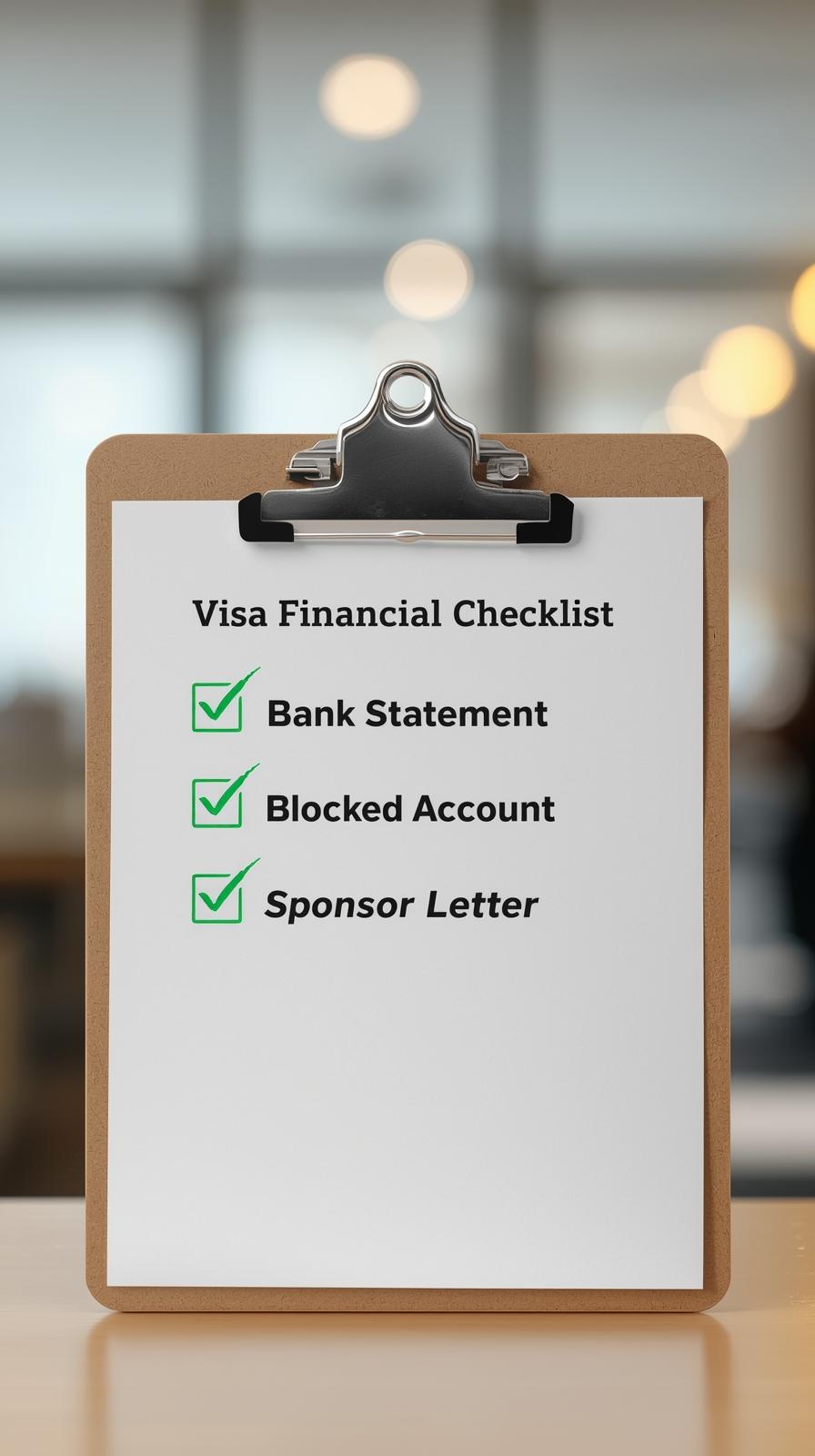
Don’t take chances with your future. At our consultancy, we review your entire financial package before you submit it. We help you choose the cheapest Blocked Account provider and ensure your documents meet the latest 2026 embassy standards.
👉 Contact us today for a free profile evaluation and let’s get you to Germany safely!

Related Articles
15 Travel Accessories That Make Long-Haul Flights Much Easier
Why travel accessories for long-haul flights matter Flying from India to your university can mean 10 to 20 hours in the air, often with a layover. For many students, it's their first flight that long. Dry cabin air, a cramped seat and swollen feet can leave you...
What to Pack for Your First Month Abroad: A Student’s Complete Checklist
What to pack for your first month abroad The first month abroad is the busiest of your student life. You're registering at university, setting up a bank account, finding your way around a new city, and turning an empty room into a home, all at once. Knowing what to...
Going Abroad for Studies in 2026? 25 Things You Should Buy Before You Fly
Things to buy before studying abroad: the complete checklist Your visa is approved and your flight is booked. Now comes the question every student asks: what are the things to buy before studying abroad? Some items cost two or three times more once you land, and a few...
Stay Up to Date With The Latest News & Updates
Contact Us Today!
Start your study abroad journey today! Special descounts for student
Join Our Newsletter
Stay up to date with the latest news in the immigration
Follow Us
Sed ut perspiciatis unde omnis iste natus error sit voluptatem accusantium doloremque